Accuracy
versus gold standard.
Validated in an ongoing comparison study against a marker-based motion lab. The range is stated conservatively — the published final value will not be worse, and may well be better.
Methodology, regulatory, data architecture, hardware. Depth as credibility — no stock photo, no buzzwords, no glossy diagnostic visual that was really just a slide deck.
Accuracy
Validated in an ongoing comparison study against a marker-based motion lab. The range is stated conservatively — the published final value will not be worse, and may well be better.
Methodology
Randomised order, double-blind analysis. Sensor placement at knee, hip and shoulder following a standardised protocol. Analysis with an open Python script. Pilot partners get access to the repository, including raw data and annotations.
Evidence base · state of research
The studies below describe the general state of research on home and movement training — they are not Beyond Motion's own results. Our own numbers stay flagged as a pilot range until the study lead releases them.
Adherence to home training
Adherence to home exercise programmes is generally low in practice.
Systematic review · Adherence to Home Exercise Programmes
Motivation is a relevant, modifiable factor for adherence and can improve it.
Systematic review · Recommendations for Improving Adherence to Home-Based Exercise
Effectiveness of home training
For non-specific low-back pain, supervised plus home training worked better than unsupervised home training alone.
Review & meta-analysis · Effect of Home Exercise Training in Patients with Nonspecific Low-Back Pain
Home exercise programmes were effective in treating knee osteoarthritis — with and without supplementary clinic sessions.
Study · Effect of Home Exercise Program in Patients with Knee Osteoarthritis · Journal of Geriatric Physical Therapy 2016 · Source ↗
Individualised exercise programmes show indications of better effectiveness than standardised programmes.
Systematic review · Australian Journal of Physiotherapy 2007 · Source ↗
MDR / CE status
Classification
MDR Class I, with a roadmap to IIa agreed with a notified body (an ÖÄK-adjacent auditor).
CE pending
Conformity assessment underway. Roll-out under Class I already possible; IIa transition planned for 2027.
Audit trail
Fully documented: study setup, data flows, personnel roles, supplier contracts.
Data architecture · EU · GDPR
Servers exclusively in Frankfurt (primary) and Vienna (backup). Encryption at rest (AES-256) and in transit (TLS 1.3). Role-based access rights per facility. Patient data never leaves the tenant boundary. A data-processing agreement is part of every roll-out by default — no negotiating it after the fact.
Funders & research partners

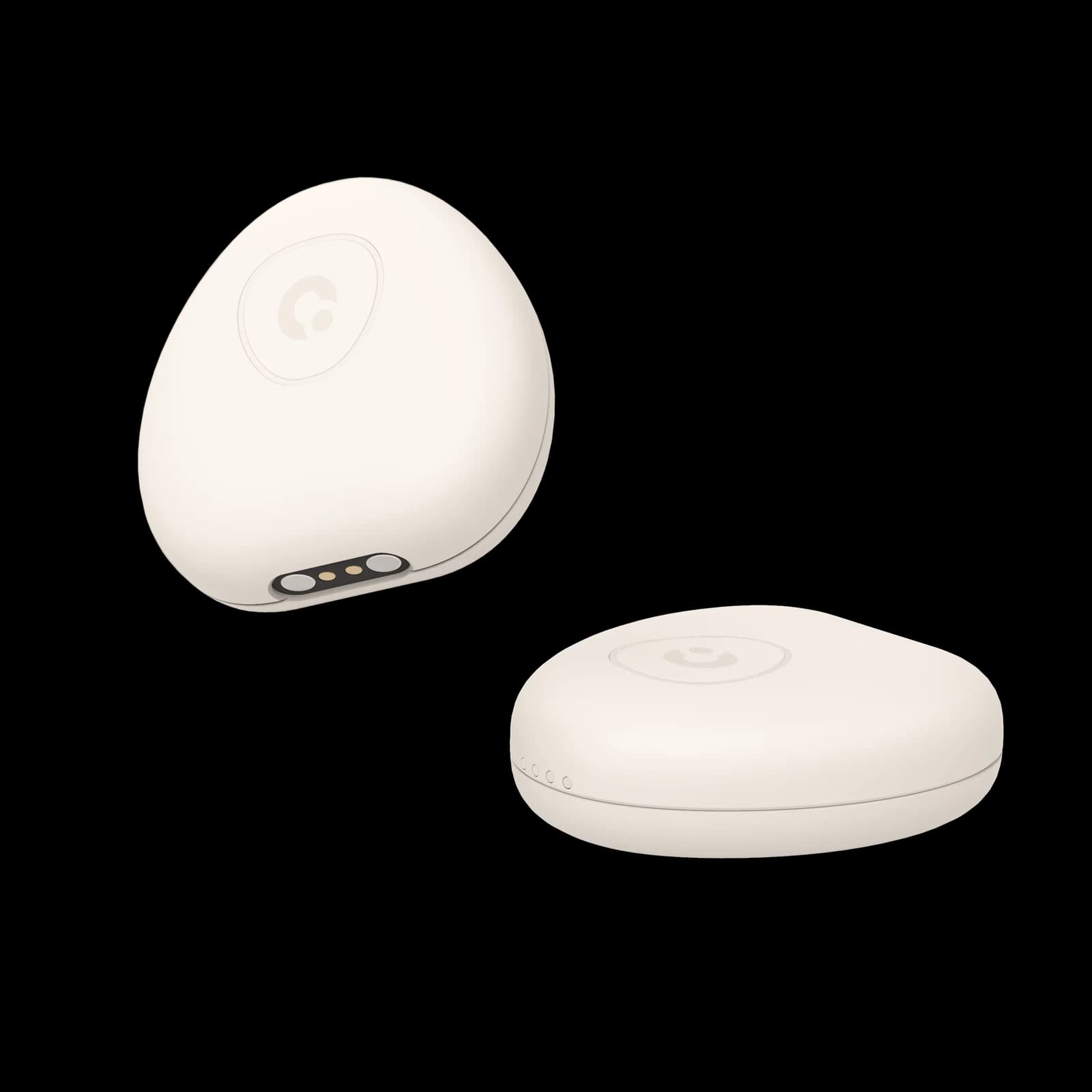
Hardware · the sensor in hand
Weighs under 20 grams, attaches with a medical patch or slips into an elastic bandage. So light it is barely noticeable in everyday use.
9-axis IMU
Acceleration + gyro + magnetometer, sensor-fused.
200 Hz
Sample rate, filtered on-device before upload.
IP67
Water- and dust-resistant · 14 days of battery between charges.
The next step
Study protocol, validation repository, data-protection concept, MDR file. On request and under confidentiality.